
SaaS landing page
Lead with one product promise, then support it with focused features, proof, and a primary call to action. This is the best starting point for launches and early product-market fit work.
Product-led structures for pricing, features, proof, enterprise messaging, and launches. Each SaaS website template is a real editable starting point, not a screenshot gallery.
Editable plan cards, feature comparisons, and CTA structure for showing how buyers can evaluate your offer.
Organize product capabilities around customer jobs, workflows, and outcomes instead of a flat feature dump.
Place customer quotes, recognizable proof points, security notes, or integration references where they support the buying decision.
Use announcement, changelog, FAQ, and call-to-action sections to explain what is new and where visitors should go next.
Founders who need a credible product-marketing site that can evolve as positioning and pricing change.
Industry-specific software teams that need space for use cases, trust proof, pricing context, and buyer questions.
Teams preparing a new product, feature release, or category launch with a focused marketing narrative and clear next step.
Start with the buyer journey you need to explain, not with decoration. A useful SaaS website template should give pricing, product value, proof, and calls to action enough room to answer the questions a prospect has before signup or sales contact.
Lead with one product promise, then support it with focused features, proof, and a primary call to action. This is the best starting point for launches and early product-market fit work.
Make plans easy to compare with consistent feature language, clear limits, and a visible next step. The template provides the presentation layer; your billing or checkout flow remains the system of record.
Give high-intent product questions their own sections or pages so visitors can understand who the product is for and how it fits a real workflow.
Use case studies, security context, implementation notes, and contact paths to reduce risk for larger buyers without mixing unverified claims into the page.
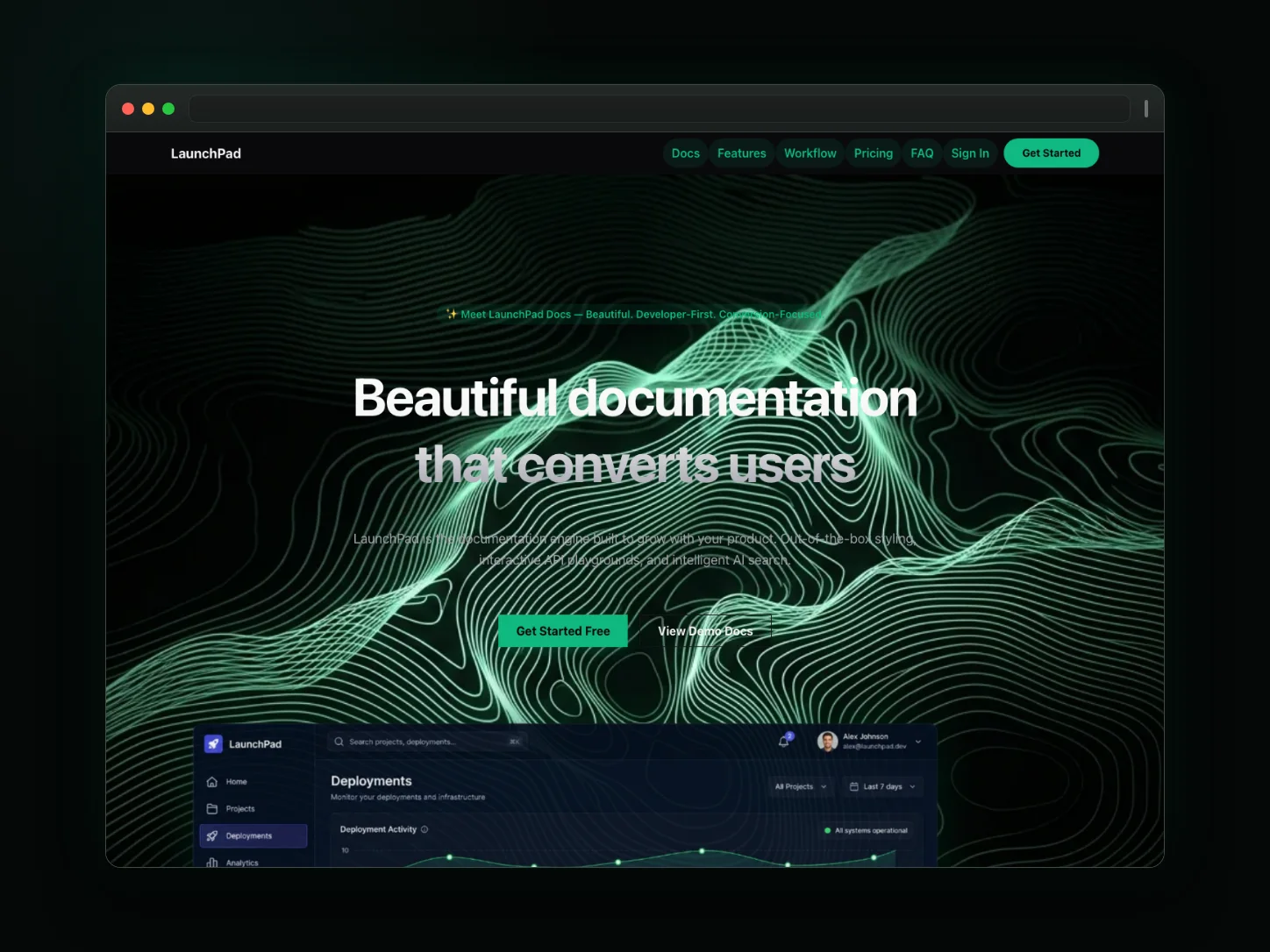
Launch your SaaS product with a premium page featuring a clean hero section, interactive feature grid, pricing table, and conversion-focused social proof.
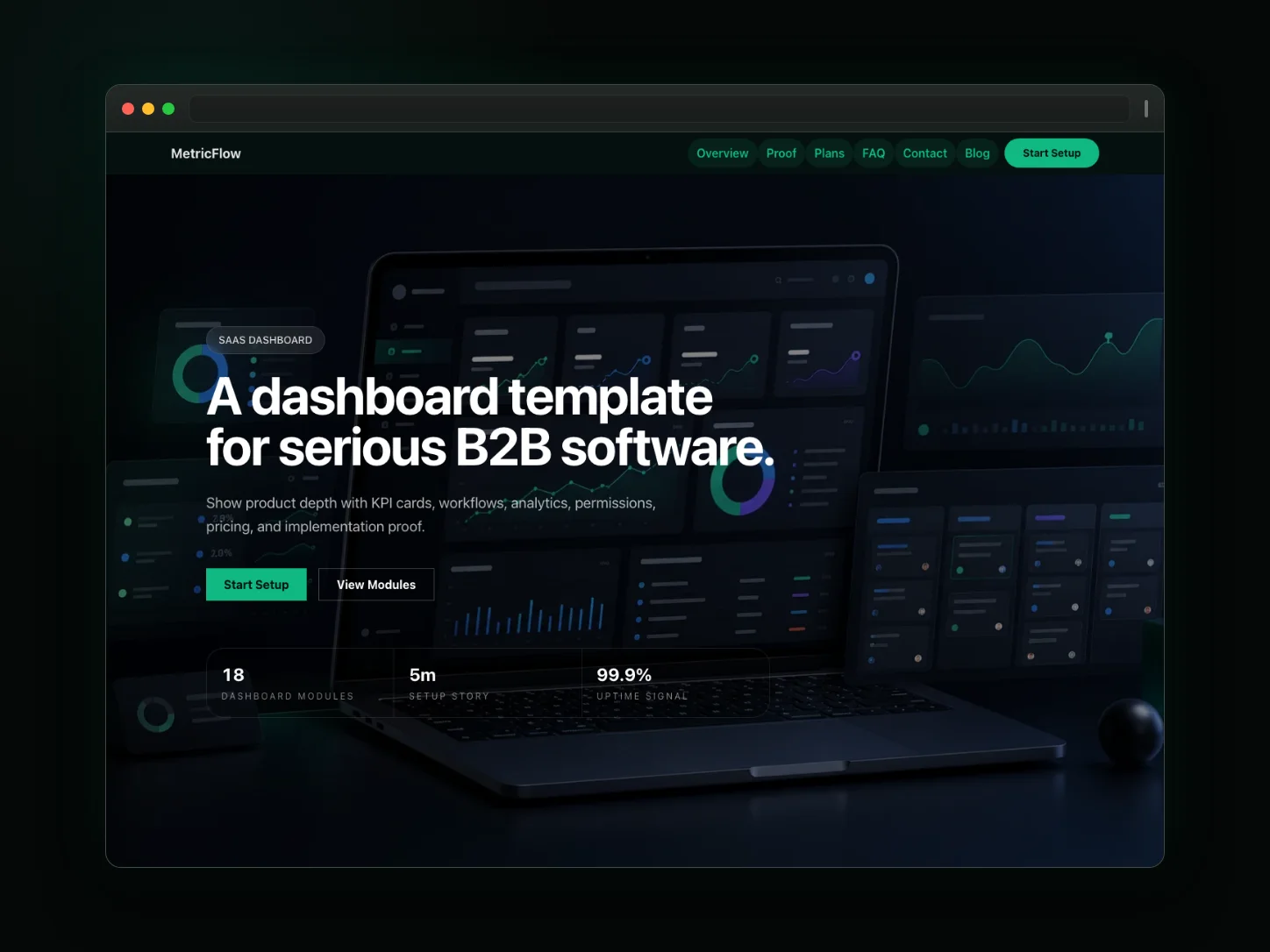
A B2B software promotion page built around product dashboard previews, interactive KPI stats, and demo conversion paths.
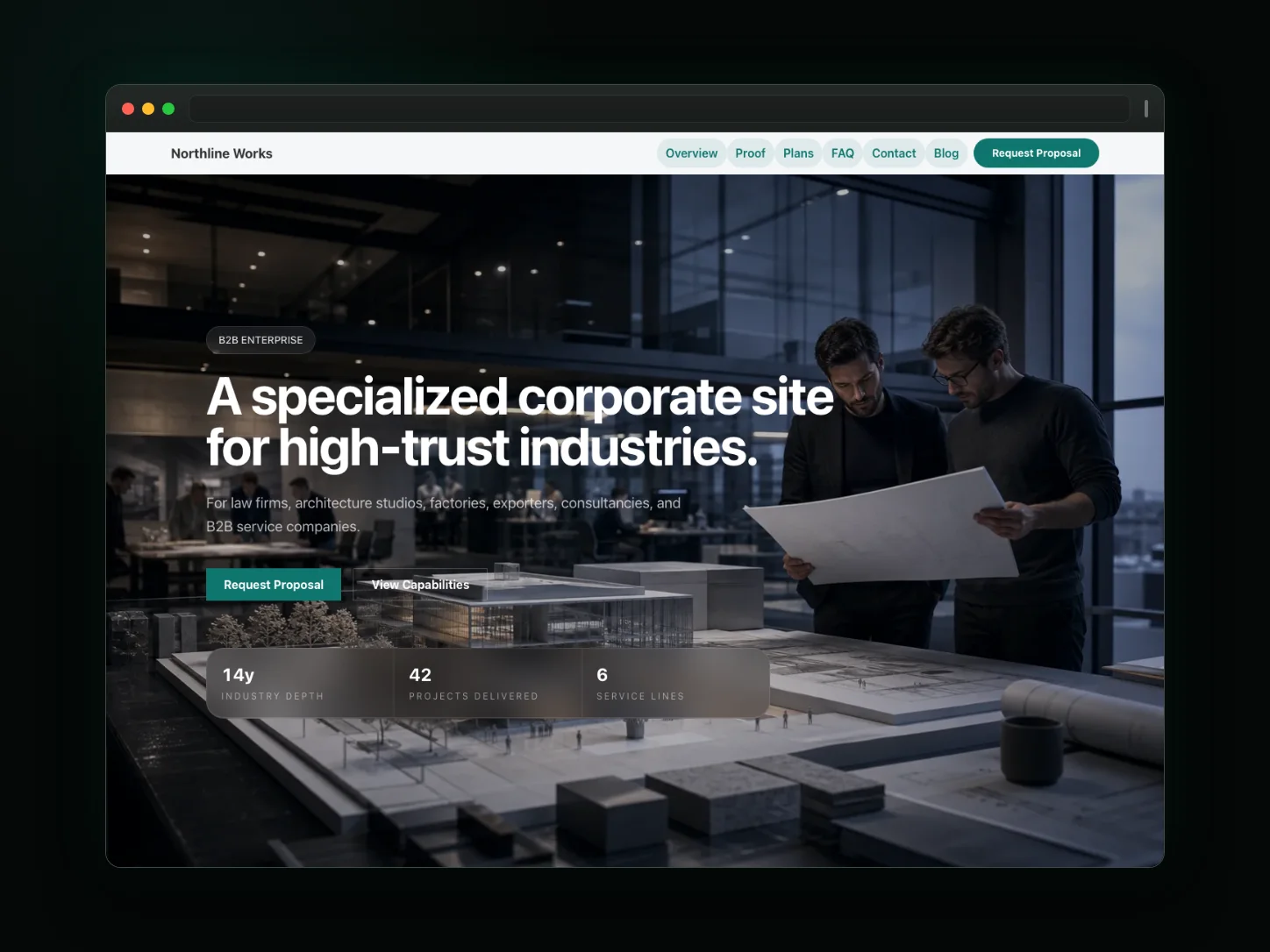
A high-credibility corporate website optimized for B2B solutions, professional consultancies, and enterprise service providers.
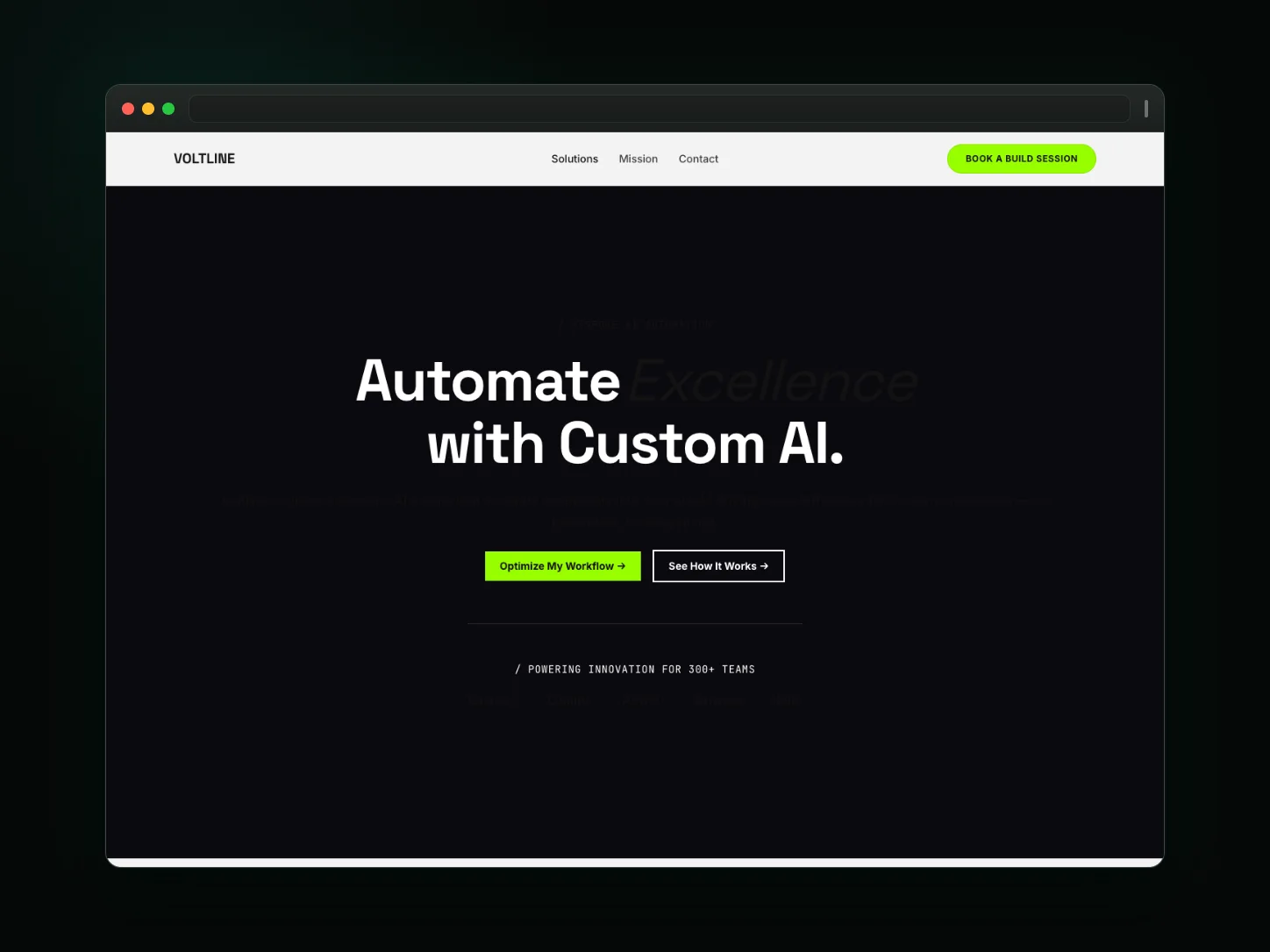
Bespoke AI automation — space-black hero with lime accents and Space Grotesk display type, a trust marquee, four uptime stats, three black solution cards with mono index labels, a starfield mission band and a dark footer with a systems-status line.
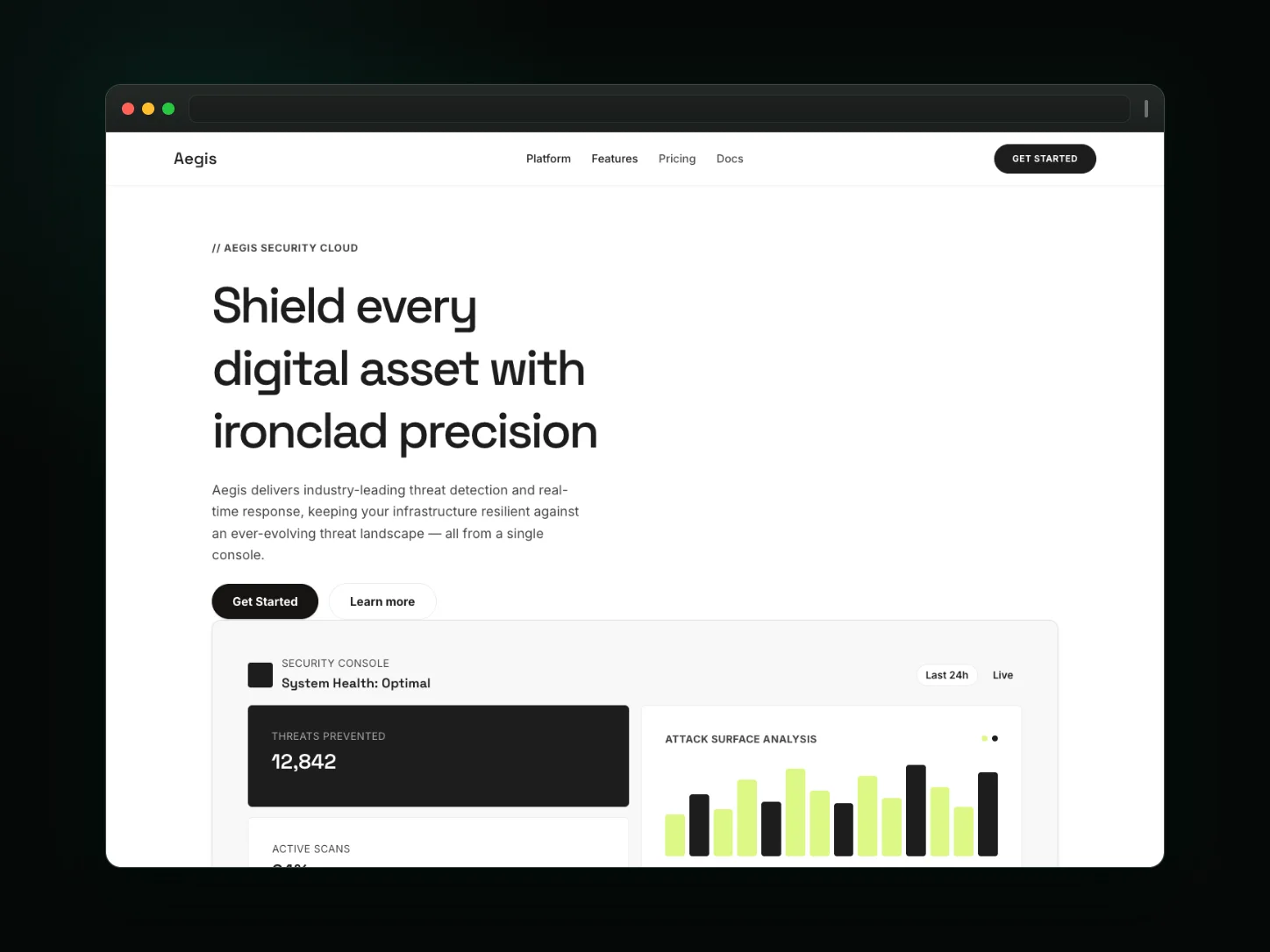
Enterprise cybersecurity console — white canvas with ink black, lime and orange accents: a centered hero with the ironclad precision headline and a pure-typography security console mockup with stat cards, an attack-surface bar chart and node status row, a trusted-by logo strip, six capability cards, an ink metrics band, three alternating how-it-works rows with live alert feed, risk distribution and playbook run console cards, three pricing tiers with a featured team plan, an ink CTA band with a lime pill and a dark four-column footer.
A strong SaaS template usually covers the product promise, feature or use-case sections, pricing context, proof, FAQ, and a clear signup or sales CTA. Add only the sections your buying journey actually needs.
Yes. You can use Cogo Site's visual editor to change page content, section order, layout, and theme without writing code.
Yes. Cogo Site supports multilingual publishing, so the same product-marketing structure can be adapted for different audiences and published as localized pages.
No — the template provides the editable marketing-page structure. Billing checkout, trial logic, and CRM workflows connect through your external tools.
Keep plan names, limits, and feature language consistent, explain who each plan is for, and give every tier a clear next step. Avoid hiding important constraints behind vague labels.
We use cookies
We use cookies to enhance your browsing experience and analyze site traffic. By clicking 'Accept', you consent to our use of cookies. Learn more about our cookie policy